
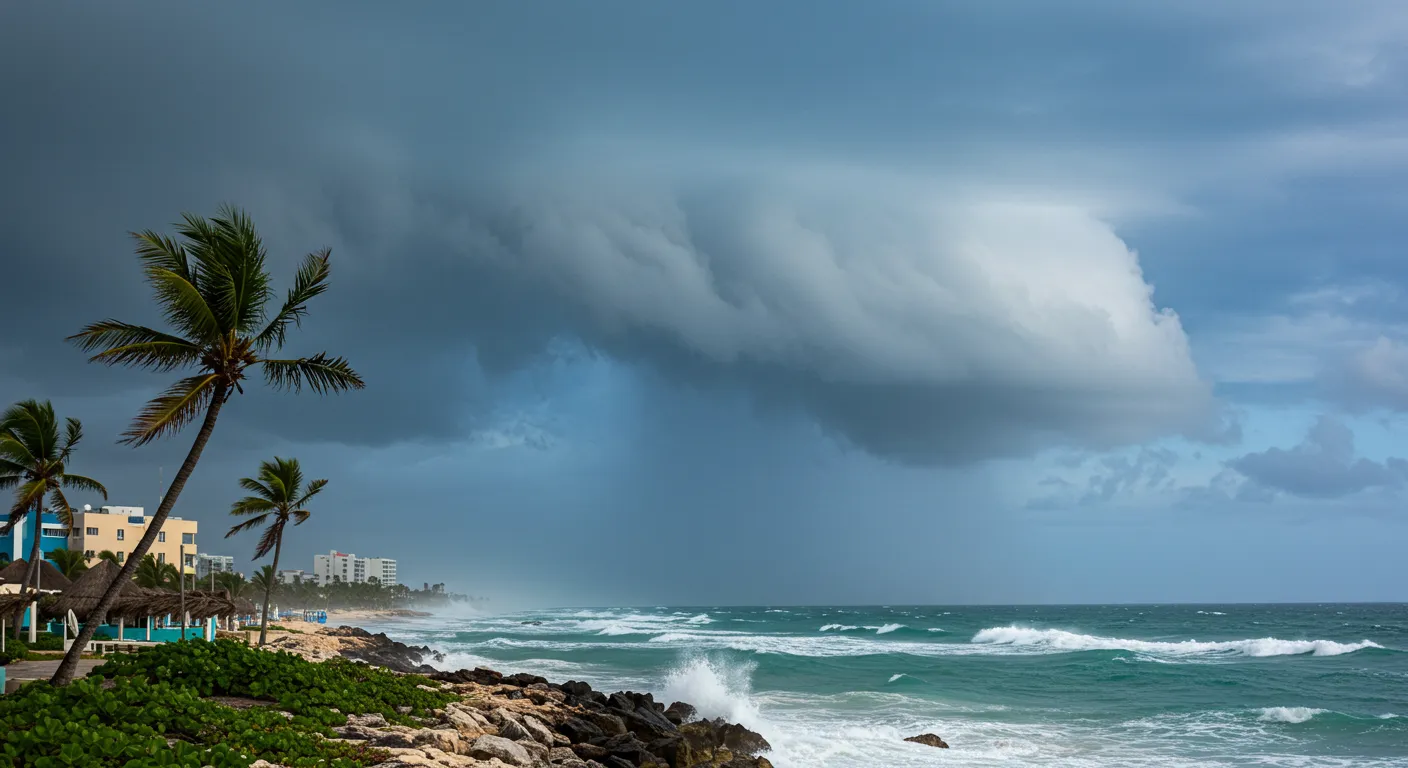
Imagine relaxing at your resort when your weather app suddenly shows a tropical storm warning. Knowing when hurricane season begins in the Dominican Republic can help you plan your trip, choose flexible bookings and understand what to do if the forecast changes.
Hurricane season does not mean that a storm will affect every trip. However, travelers should understand the official season dates, the months with the greatest historical activity and the precautions to take before and during their stay.
When Is Hurricane Season in the Dominican Republic
The official hurricane season in the Dominican Republic runs from June 1 to November 30 each year. This period aligns with the Atlantic hurricane season and marks the time when the region is most likely to experience tropical storms or hurricanes.
Peak Months for Hurricanes
- August through October are typically the most active.
- September is historically near the peak of Atlantic tropical storm and hurricane activity.
During these months, Atlantic conditions are often more favorable for tropical systems to form and strengthen, although activity varies from year to year.
But here’s some good news: not every storm becomes a hurricane, and not every hurricane hits the Dominican Republic. Many pass by with little or no impact, especially in the early and late months of the season.
What Hurricane Season Means for Travelers
Tropical storms form somewhere in the Atlantic basin during many hurricane seasons, but only some affect the Dominican Republic. Even a storm that does not make direct landfall can still bring heavy rain, rough seas, strong wind or temporary travel disruption. However, even storms that don’t make landfall can bring heavy rainfall, strong winds, and temporary travel disruptions.
Let’s take a closer look at the numbers:
-
- Peak period: Atlantic tropical activity is generally highest from mid-August through October.
-
- Local impact varies: The Dominican Republic may experience no direct hurricane landfall in a particular season, while nearby systems can still produce rain, waves and flight or tour disruptions.
Recent Tropical Systems That Affected the Dominican Republic
- Hurricane Isaias (July 2020): Brought winds of 60 mph to Punta Cana, causing moderate flooding and damage.
- Hurricane Fiona (September 2022): A powerful Category 1 storm that killed 2 people and caused nearly US $375 million in damage, mostly due to flooding and infrastructure failures.
- Tropical Storm Franklin (August 2023): Dumped 330 mm of rain in Santo Domingo and other regions, cutting power to hundreds of thousands and damaging homes and roads.
These examples show how storm impacts vary, not all are catastrophic, but the disruption they cause can still affect your travel plans. Being informed helps you prepare and adjust accordingly.
Should You Travel During Hurricane Season
Yes, many travelers visit during hurricane season, but flexibility and weather awareness are important. In fact, many seasoned travelers prefer shoulder season months like June, July, or November, when:
-
-
Crowds are smaller.
- Prices drop for flights and resorts.
- June, July and November are outside the historical peak period, although tropical weather can still occur.
-
-
Just keep in mind that flexibility is key. If you’re traveling during peak hurricane season in the Dominican Republic, it’s smart to have a Plan B.
Ready to experience Punta Cana’s coast safely and comfortably, no matter the season? Enjoy on a private catamaran tour. Our team is here to help you plan a smooth, stress-free adventure.

How to Prepare for Hurricane Season in the Dominican Republic
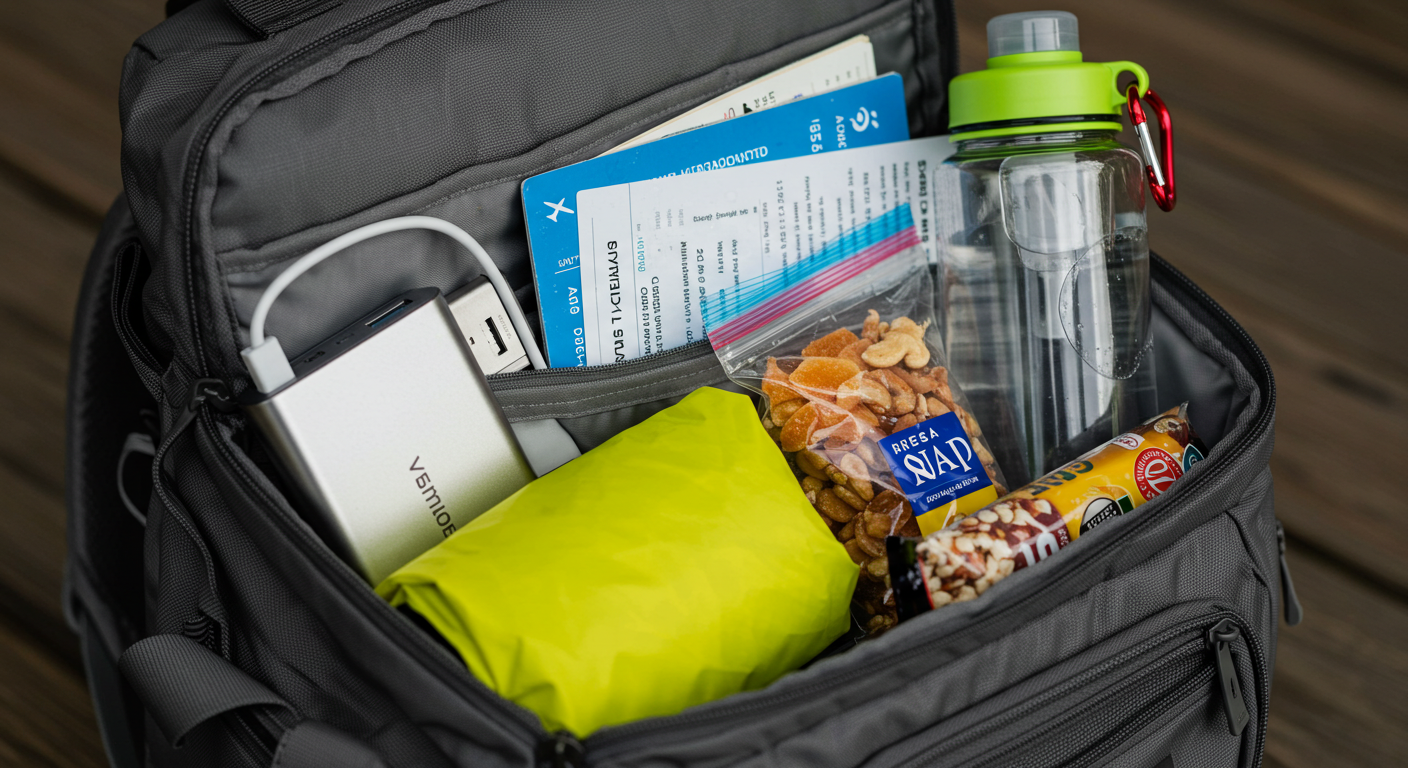
Traveling during Traveling during hurricane season does not mean a storm will affect your trip, but preparation can reduce disruption if the forecast changes.
Here’s what we recommend:
1. Book Flexible Travel
Choose airlines and accommodations with flexible cancellation or rescheduling policies. Some even offer storm-specific guarantees or waivers. Check whether weather-related changes are covered before paying for non-refundable flights, accommodation or excursions.
2. Buy Travel Insurance
Make sure your policy covers:
-
-
Trip cancellations or interruptions
- Emergency evacuations
- Medical care related to weather events
-
Always read the fine print and make sure “named storms” are included in your coverage. Insurance generally must be purchased before a storm becomes a known or named event. Coverage, exclusions and purchase deadlines vary by policy.
3. Stay Informed
Check reliable weather sources like:
-
-
National Hurricane Center (NHC)
- AccuWeather
- Local Dominican weather alerts
-
Download apps that offer real-time storm tracking.
4. Pack Smart
If you’re traveling in hurricane season, toss these extras into your suitcase:
-
-
battery-powered charger
- Lightweight rain gear
- Reusable water bottles
- Non-perishable snacks
- Printed copies of important travel documents
-
-
5. Know Your Resort’s Emergency Plan
Most major resorts in the Dominican Republic have well-established hurricane protocols. Staff are trained to keep guests informed and safe. Don’t hesitate to ask about their plan when you check in.
What to Expect if a Storm Hits During Your Stay
When a hurricane or storm approaches and you are visiting the Dominican Republic here are some possible outcomes:
- Early Alerts: Resorts and hotels will start alerting visitors of the situation.
- Short-term Closing of Services: Essential shelter as well as food are always available, but outside services, beaches, and pools will close.
- Evacuation if required: You could be moved to a safe area, such as the hotel’s interior.
- Cancellations or delays on flights: Give yourself a bit of room when choosing your travel days because these are frequent before and after storms.
- Power outages might occur: Bring charged batteries and flashlights.
- Food service continues: Buffets and bars usually stay open but expect limited options.
-
If your flight schedule changes, it can also help to arrange your airport transportation in advance. Travelers flying into Punta Cana can book a Punta Cana airport transfer for a more convenient journey between the airport and their hotel.
Post-Storm Recovery The Caribbean is Resilient
After a storm ended, a remarkable aspect of the Dominican Republic is the speed with which things recover. The Recovery time varies significantly. Some areas may return to normal quickly after a weak system, while stronger storms can cause longer power outages, flooding, transport problems and business closures. Wait for official updates before assuming that beaches, airports, roads or excursions have reopened.
Best Time to Visit for Lower Hurricane Risk
If you want to completely skip the hurricane risk, plan your trip for:
-
-
December to May: the dry season
- These months offer warm temperatures, sunny skies, and virtually no storm threat.
-
Learn more about “When is the best time to visit Punta Cana” in our guide.
If you’re ready, it’s still an amazing chance to discover new things, save money, and take advantage of less people. You can’t dismiss your tours in hurricane season.
Final Thoughts
Hurricane season in the Dominican Republic officially runs from June 1 through November 30, with the highest historical Atlantic activity generally occurring from mid-August through October. This does not mean that every trip will be affected by a tropical storm or hurricane.
Travelers should book flexible arrangements, understand their insurance coverage, monitor official forecasts and follow instructions from their resort, airline and local authorities. Boat tours and other outdoor activities may be changed or cancelled when marine conditions are unsafe.
Adventure with Catamarans Punta Cana provide a peaceful and secure way to explore the coast without having to deal with the unpredictable weather especially during the slower months. Message us on WhatsApp to make your trip arrangements smooth.
Frequently Asked Questions
Which months have the highest hurricane activity in the Dominican Republic?
Atlantic hurricane activity is generally highest from mid-August through October, with September near the historical peak. However, the Dominican Republic is not affected by a hurricane every September.
Is it safe to visit the Dominican Republic during hurricane season?
Many tourists visit during hurricane season without experiencing a major storm. Travelers should monitor official forecasts, book flexible travel and follow instructions if severe weather is expected.
What happens at Dominican Republic resorts during a storm?
Procedures differ by property and storm severity. Resorts may close outdoor facilities, cancel activities, limit services or ask guests to move to designated shelter areas. Follow the resort’s instructions.
Does travel insurance cover hurricane-related changes?
Some policies cover cancellations, delays or interruptions caused by hurricanes, but coverage varies. Read the policy terms carefully and purchase coverage before the storm becomes a known event.